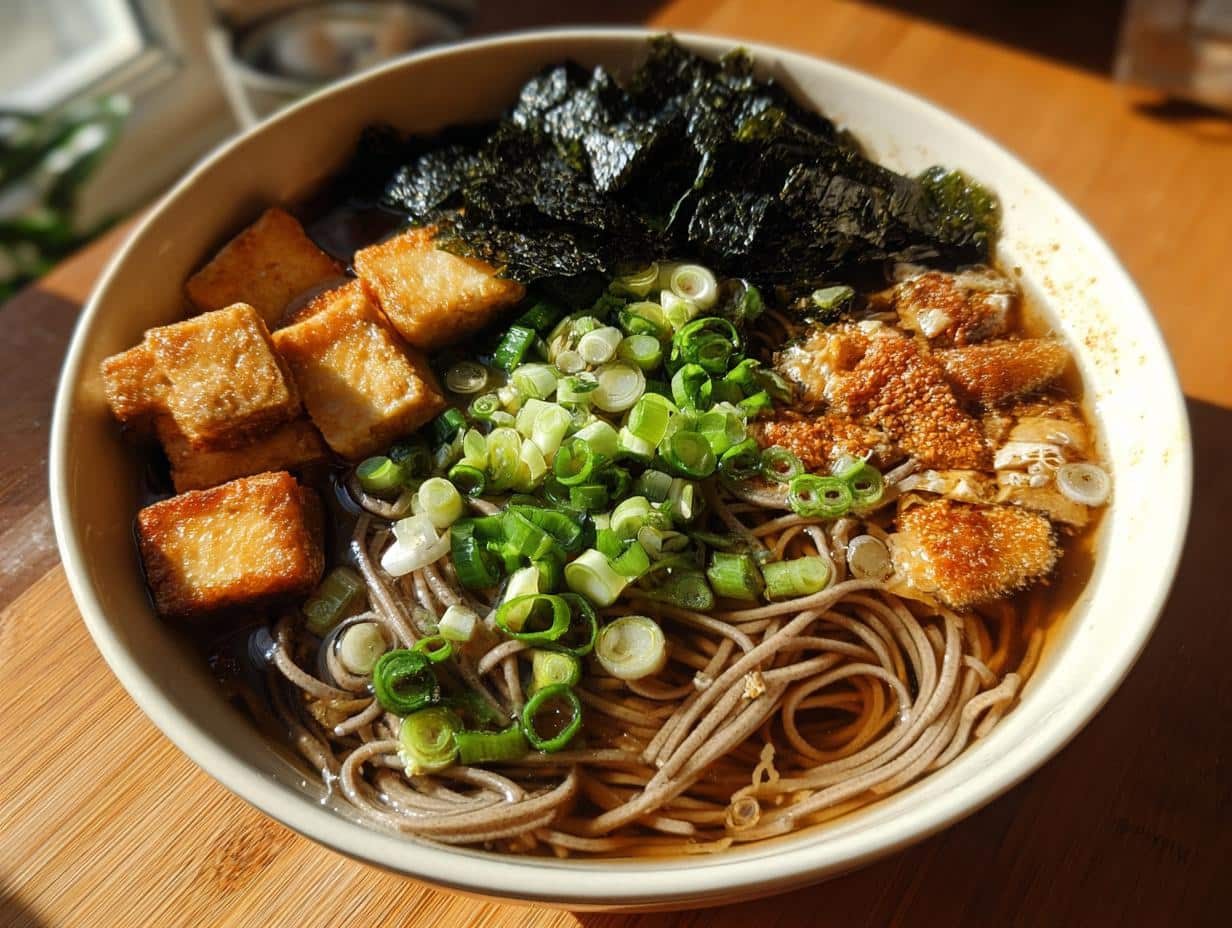
Craving a taste of Japan but don’t want to spend hours in the kitchen? I get it! That’s why I’m so excited to share my take on super simple Japanese meals you can whip up at home. We’re talking flavor-packed bowls of goodness that are way easier than you think. Forget complicated techniques and hard-to-find ingredients – this is all about bringing those delicious Japanese flavors to your table, quick-smart.
You know, I’m Casey Mitchell, a Texas gal with a serious love for all kinds of food. I grew up on good ol’ Southern cooking, but exploring global flavors? That’s where things get *really* fun for me. And these easy japanese meals? They’re proof that you don’t need to be a pro chef to enjoy amazing food from around the world. This recipe is one of my go-tos when I want something comforting and delicious, but I’m short on time. Trust me, you’re gonna love how easy it is!
Why You’ll Love These Japanese Meals
Okay, so why *should* you try these japanese meals? Let me tell you, they’re seriously addictive! Here’s the lowdown:
Quick and Easy Japanese Meals
Seriously, we’re talking about a meal on the table faster than you can say “arigato!” I’m all about those weeknight dinners that don’t require a ton of effort, and this recipe fits the bill perfectly.
Customizable Japanese meals
Don’t like tofu? No problem! Want to add a little spice? Go for it! The best part about this recipe is how easy it is to tweak it to your exact taste. Seriously, make it your own!
Ingredients for Your Japanese Meals
Alright, let’s talk ingredients! Don’t worry, you probably have a lot of this stuff in your pantry already. And if not, it’s all super easy to find at your local grocery store. Here’s what you’ll need to make these tasty japanese meals:
- 4 oz Soba Noodles – I love these, but any noodles you like will work!
- 1 cup Dashi Broth – This is the key to that authentic Japanese flavor, promise!
- 2 tbsp Soy Sauce – Use your favorite brand. I usually go for low sodium.
- 1 tbsp Mirin – It adds a touch of sweetness that’s just perfect.
- 1/2 cup Sliced Green Onions – Gotta have that fresh, zesty flavor!
- 1/4 cup Fried Tofu – Adds a nice bit of protein and texture.
- 1 Nori Seaweed Sheet, cut into strips – This gives it that classic Japanese taste!
How to Prepare These Flavorful Japanese Meals
Okay, ready to get cooking? Don’t be intimidated – this is seriously easier than ordering takeout! Just follow these simple steps, and you’ll be slurping down delicious japanese meals in no time. I promise, you’ve got this!
Cooking the Soba Noodles for Japanese Meals
First things first, let’s get those noodles going! Cook your soba noodles according to the package directions. Usually, it takes about 5-7 minutes in boiling water. Set a timer! Trust me, nobody likes mushy noodles. As soon as they’re done, drain them and rinse them under cold water. This stops the cooking process and gets rid of any extra starch. You’ll want them nice and cool before we add them to the broth.
Preparing the Dashi Broth for Japanese Meals
While the noodles are cooking, let’s get that amazing dashi broth ready! Pour your dashi broth into a small saucepan and heat it over medium heat. Once it’s simmering (not boiling!), add your soy sauce and mirin. Give it a good stir, and let it simmer for just a minute or two, so the flavors can meld together. Seriously, the smell alone is gonna make your mouth water!
Assembling Your Japanese Meals
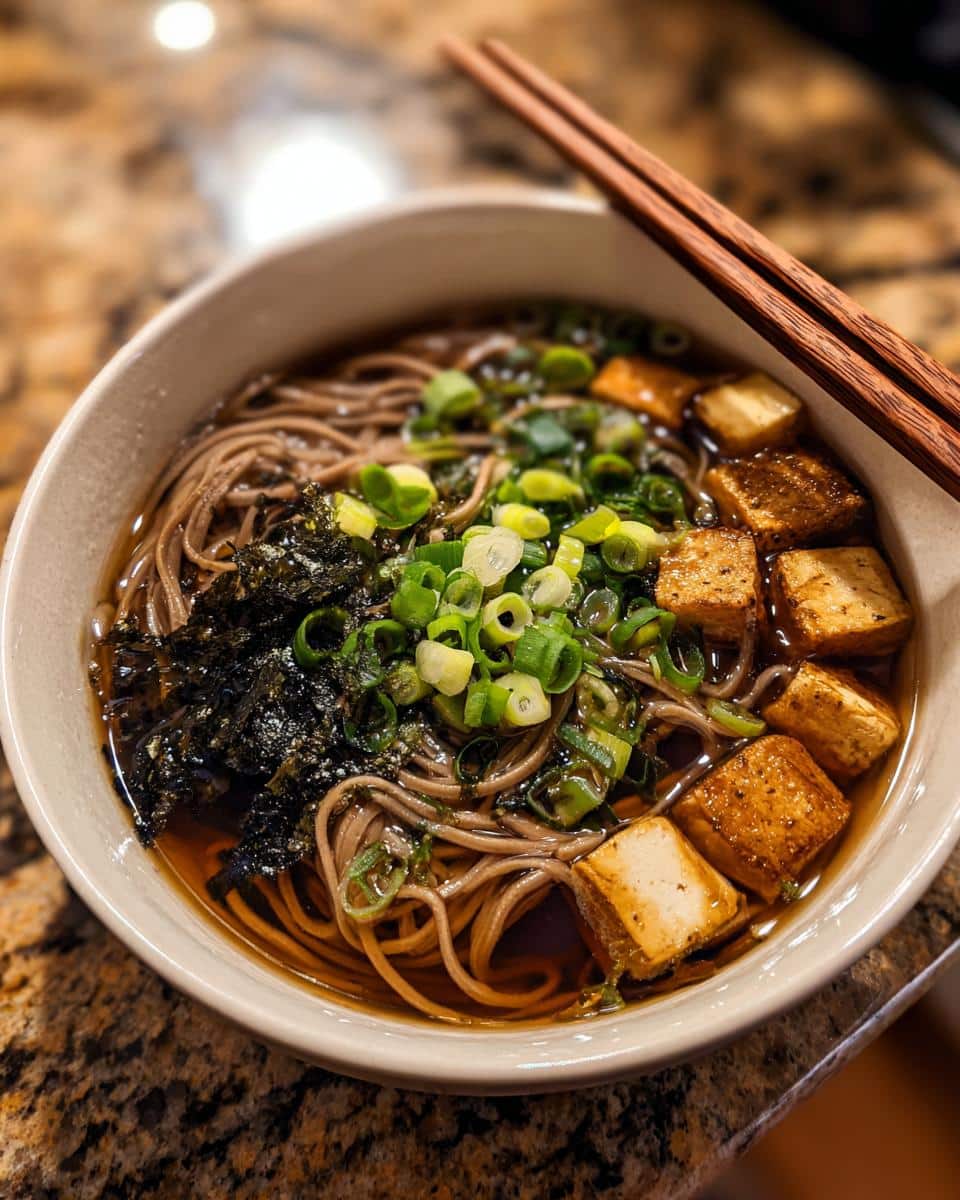
Alright, the moment we’ve been waiting for! Grab a nice big bowl and place those cooked soba noodles inside. Now, gently pour that flavorful dashi broth over the noodles. Make sure everything’s nice and submerged. Finally, it’s time for the fun part: the toppings! Sprinkle those sliced green onions, fried tofu, and nori strips on top. And that’s it! Your very own bowl of delicious japanese meals is ready to be devoured. Enjoy!
Ingredient Notes and Substitutions for Japanese Meals
Okay, so let’s chat about some of these ingredients, because I know they might be new to you! Don’t worry, they’re not scary, and there are always ways to make things work, even if you don’t have *everything* on hand. That’s how I roll in my kitchen anyway!
Dashi Broth Substitutions in Japanese Meals
Dashi broth is kinda the backbone of this whole dish, giving it that authentic Japanese umami flavor. BUT! If you can’t find it (or just don’t have any), don’t sweat it. You can totally use vegetable broth instead. It won’t be *exactly* the same, but it’ll still be delicious. You could even add a tiny splash of soy sauce to the veggie broth to give it a little extra depth. Boom! Problem solved.
Tofu Alternatives in Japanese Meals
I love fried tofu in this dish – it adds a nice little bit of protein and texture. But hey, if you’re not a tofu fan, that’s totally cool! You could swap it out for some cooked chicken or shrimp, or even a sliced hard-boiled egg. Honestly, anything goes! Just pick your favorite protein and toss it in. These japanese meals are all about making it your own!
Tips for Perfect Japanese Meals
Okay, wanna take these japanese meals from “good” to “OMG, this is amazing!”? I’ve got a few tricks up my sleeve that’ll help you nail it every single time. These are the little things I’ve learned that really make a difference, trust me!
Achieving the Best Flavor in Japanese Meals
Taste as you go! Seriously, this is key. The amount of soy sauce you need might depend on your broth, so add it a little at a time and see what tastes best to *you*. Also, don’t be afraid to add a pinch of salt or a squeeze of lemon juice to brighten things up. Balancing those salty, savory, and tangy flavors is where the magic happens!
Topping Variations for Japanese Meals
Okay, this is where you can *really* get creative! Don’t feel limited to just green onions, tofu, and nori. How about some sliced mushrooms? Maybe some crunchy bean sprouts? Or even a sprinkle of sesame seeds? My favorite part is adding a perfectly poached egg right on top. The runny yolk mixes with the broth and makes it extra rich and decadent. Seriously, try it!
Serving Suggestions for Your Japanese Meals
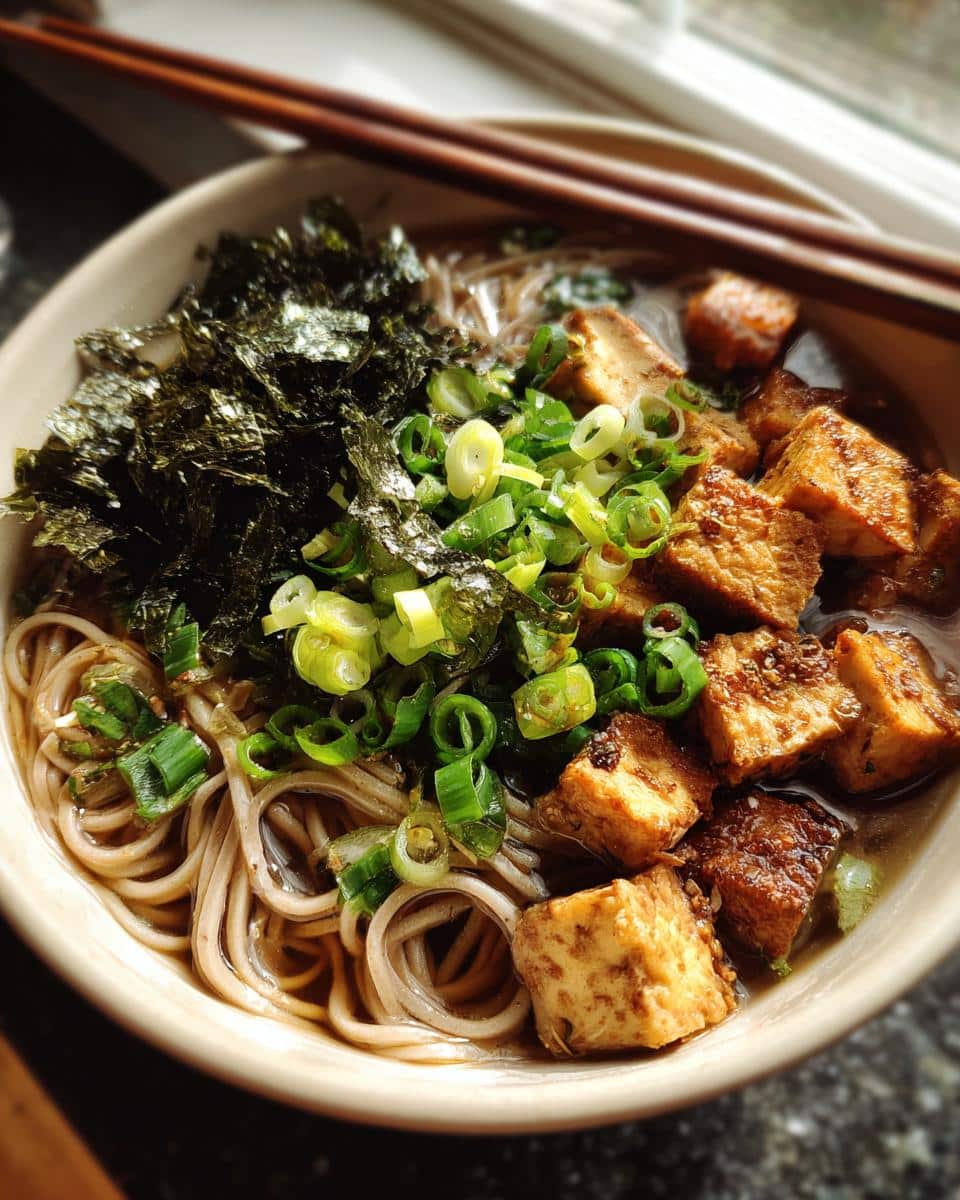
Okay, so you’ve got your bowl of amazing japanese meals… what else should you eat with it? I usually like to keep it simple. A light side salad with a ginger dressing is always a winner. Or how about some steamed broccoli or edamame? Something fresh and green balances out the richness of the broth perfectly! Just a little something extra to round out your meal.
Storing and Reheating Your Japanese Meals
Got leftovers? Awesome! But here’s the thing: noodles can get a little soggy if they sit in the broth for too long. So, I recommend storing the noodles and broth separately. When you’re ready to reheat, just warm up the broth on the stovetop or in the microwave, add the noodles, and *bam* – good as new! You’ll want to eat it pretty quick, though, reheated noodles are best enjoyed right away!
Nutritional Information for Japanese Meals
Okay, just a quick note: the nutrition info is just an estimate. It’ll change depending on the exact brands and ingredients you use, so don’t take it as gospel, okay?
Frequently Asked Questions About Japanese Meals
Got questions? I’ve got answers! Here are a few of the most common things folks ask me about making these yummy japanese meals. Don’t be shy – if you’ve got a question I haven’t covered, just leave a comment below!
Can I make these japanese meals ahead of time?
Good question! While I wouldn’t recommend fully assembling the whole dish way in advance (soggy noodles, remember?), you *can* definitely prep some of the components. The dashi broth can be made a day or two ahead of time and stored in the fridge. You can also chop your veggies and cook your tofu. Then, when you’re ready to eat, just cook the noodles and throw everything together! Easy peasy!
What other toppings can I use for these japanese meals?
Oh, the possibilities are endless! Seriously, this is where you can let your creativity shine. Some of my favorite additions include sliced shiitake mushrooms, wilted spinach, kamaboko (Japanese fish cake), or even a sprinkle of toasted sesame seeds. Don’t be afraid to experiment and find your perfect combo!
Are these japanese meals gluten-free?
That’s a tricky one! Traditional soba noodles are made from buckwheat flour, but some brands also contain wheat flour. So, if you’re gluten-free, be sure to check the label carefully and look for 100% buckwheat soba noodles. Also, most soy sauce contains wheat, so opt for tamari, which is a gluten-free alternative. With a few simple swaps, you can totally enjoy these japanese meals without any worries!
Enjoy Your Homemade Japanese Meals!
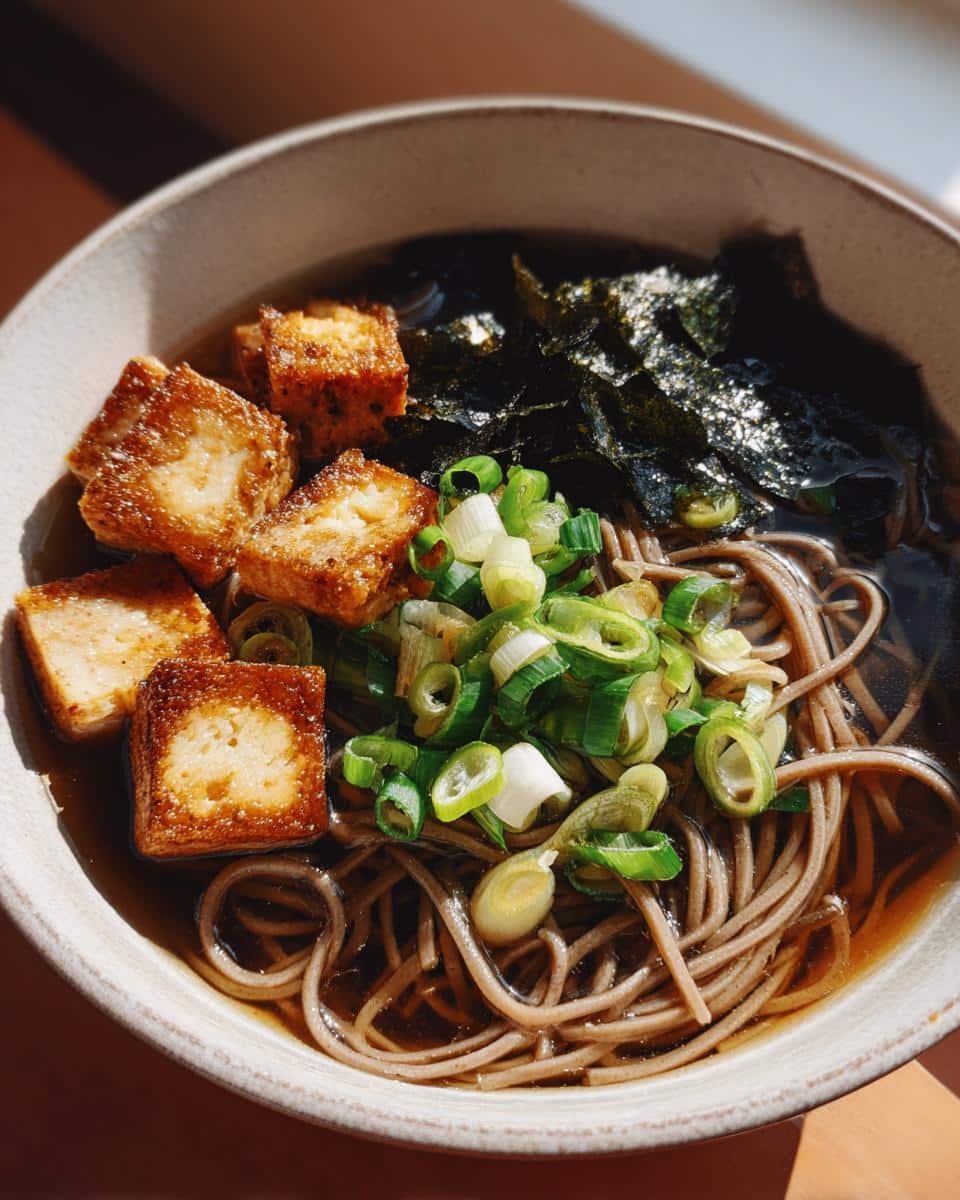
And there you have it! I really hope you give these japanese meals a try – they’re seriously one of my favorite quick and easy dinners. If you do make them, please come back and leave a comment and let me know what you think! And hey, if you’re feeling social, snap a pic and tag me on Instagram! I just love seeing what you guys are cooking up. Happy slurping!
Print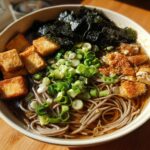
Devour Japanese Meals: The Easiest, Flavorful 4-Step Recipe
- Prep Time: 10 minutes
- Cook Time: 15 minutes
- Total Time: 25 minutes
- Yield: 1 serving 1x
- Category: Main Course
- Method: Boiling
- Cuisine: Japanese
- Diet: Vegetarian
Description
Explore simple and flavorful Japanese meals inspired by global flavors. Discover comforting recipes for delicious everyday cooking.
Ingredients
- 4 oz Soba Noodles
- 1 cup Dashi Broth
- 2 tbsp Soy Sauce
- 1 tbsp Mirin
- 1/2 cup Sliced Green Onions
- 1/4 cup Fried Tofu
- 1 Nori Seaweed Sheet, cut into strips
Instructions
- Cook soba noodles according to package directions. Drain and rinse.
- Heat dashi broth in a saucepan. Add soy sauce and mirin. Bring to a simmer.
- Place cooked soba noodles in a bowl. Pour broth over noodles.
- Top with sliced green onions, fried tofu, and nori strips.
- Serve immediately.
Notes
- Adjust soy sauce to your preference.
- Add a poached egg for extra protein.
- Use different toppings like tempura or kamaboko.
Nutrition
- Serving Size: 1 serving
- Calories: 350
- Sugar: 5g
- Sodium: 800mg
- Fat: 10g
- Saturated Fat: 2g
- Unsaturated Fat: 6g
- Trans Fat: 0g
- Carbohydrates: 50g
- Fiber: 5g
- Protein: 15g
- Cholesterol: 0mg