Easy Spring Pasta with Fresh Vegetables and Herbs
Have you ever wanted to bring the bright, refreshing flavors of the season to your dinner table? A vibrant spring pasta dish is the perfect way to celebrate the season’s bounty while creating a meal that’s both satisfying and simple. The beauty of a lemon spring pasta lies in its versatility and how it transforms fresh, seasonal ingredients into a memorable dining experience. Creating this dish at home allows you to customize flavors while using the freshest ingredients available, making it a valuable addition to your recipe collection.
Table of Contents
Ingredients & Kitchen Tools
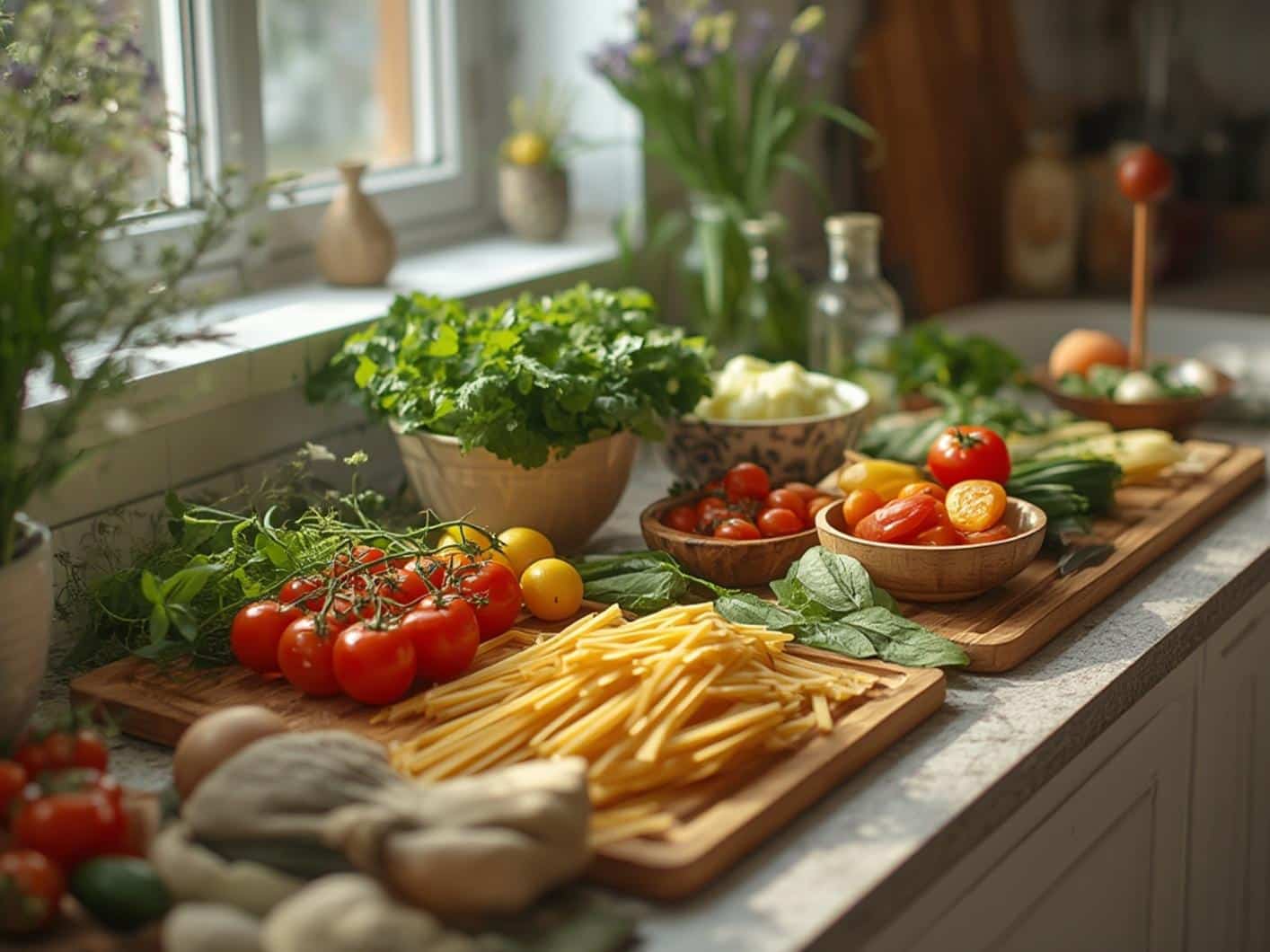
For the Pasta:
– 12 oz pasta (penne, farfalle, or orecchiette work well)
– 1 bunch asparagus, trimmed and cut into 2-inch pieces
– 1 cup fresh or frozen peas
– 2 cups baby spinach
– 1 cup cherry tomatoes, halved
– 3 tablespoons extra virgin olive oil
– 3 cloves garlic, minced
– 1 lemon (zest and juice)
– 1/4 cup fresh herbs (basil, mint, parsley), chopped
– 1/2 cup grated Parmesan cheese
– Salt and pepper to taste
– Red pepper flakes (optional)
Kitchen Tools:
– Large pot for boiling pasta
– Colander for draining
– Large skillet or sauté pan
– Cutting board and knife
– Microplane or zester for lemon
– Wooden spoon or tongs
– Measuring cups and spoons
The asparagus provides a tender-crisp texture, while peas add natural sweetness. The lemon brightens all the flavors, and fresh herbs provide aromatic depth to the dish.
Timing / Prep Time & Cooking Time
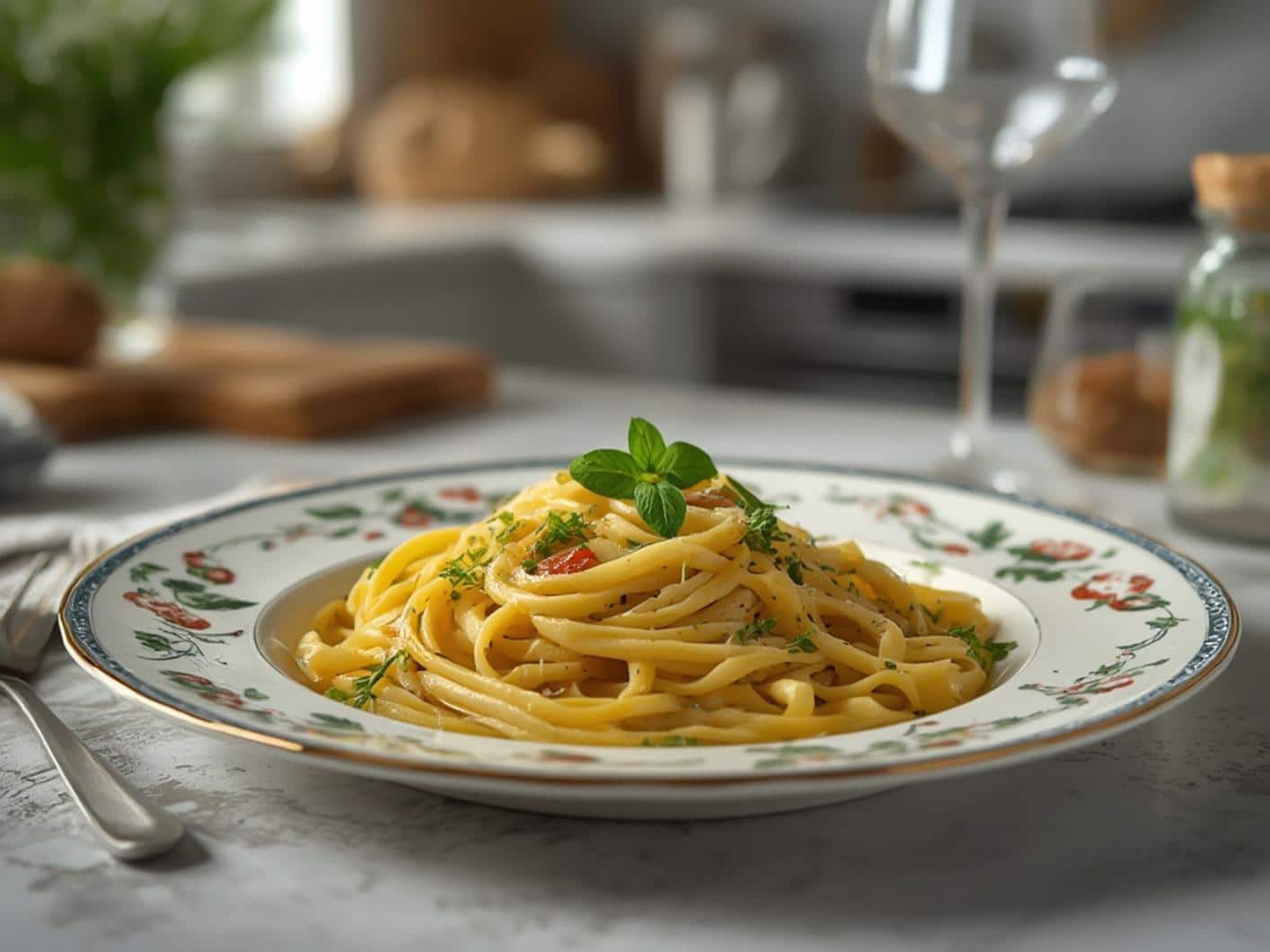
– Prep Time: 15 minutes
– Cooking Time: 15 minutes
– Total Time: 30 minutes
– Servings: 4
This quick weeknight meal comes together in about the time it takes to boil water and cook pasta, making it perfect for busy evenings when you want something delicious without spending hours in the kitchen.
Step-by-Step Cooking Instructions
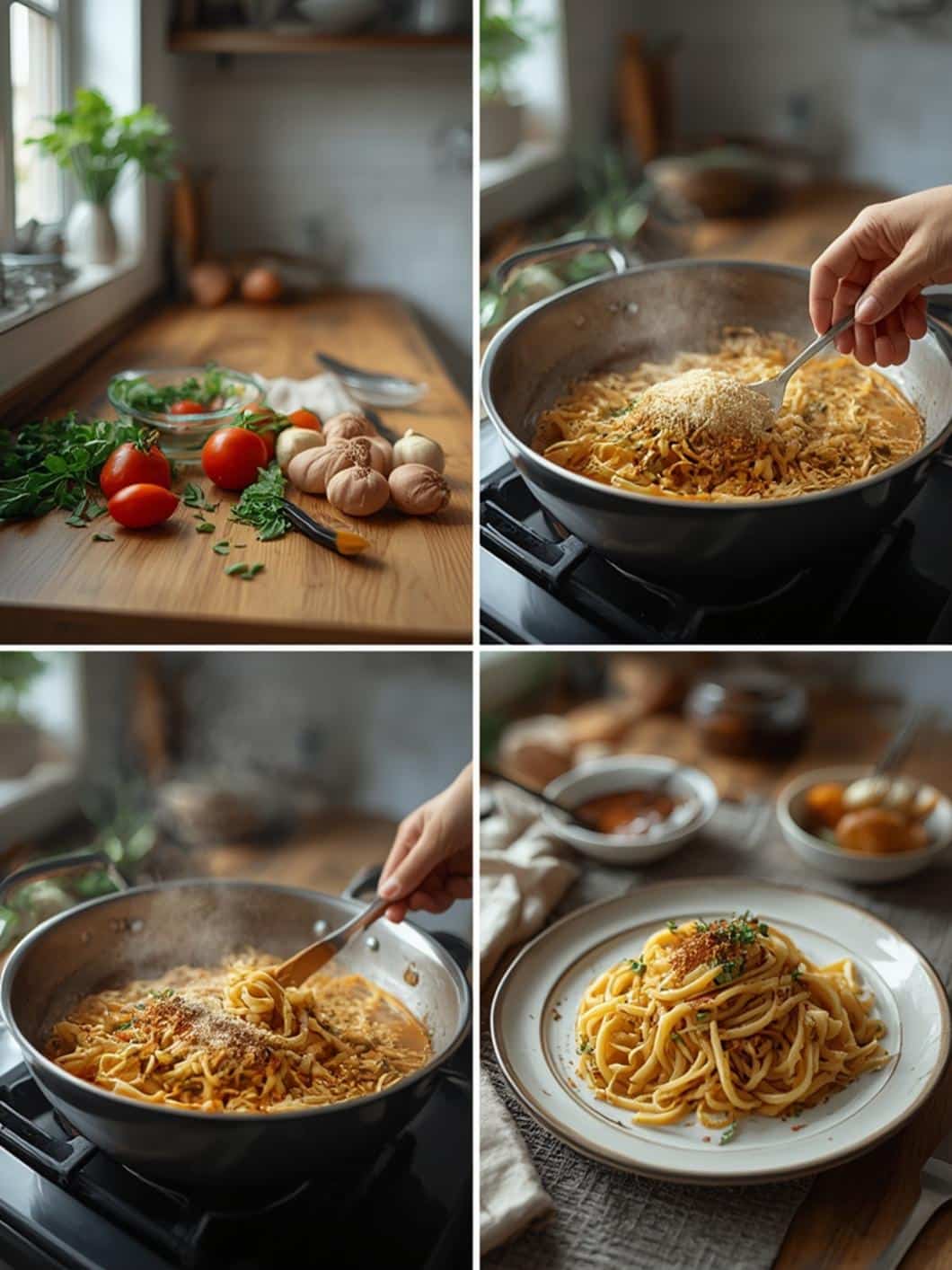
1. Bring a large pot of salted water to a boil. Add pasta and cook according to package directions until al dente.
2. When pasta is about 2 minutes from being done, add the asparagus pieces to the boiling water with the pasta.
3. One minute before pasta is finished cooking, add the peas to the pot. This ensures vegetables are tender-crisp, not mushy.
4. Reserve 1/2 cup of pasta cooking water before draining the pasta and vegetables in a colander.
5. Meanwhile, heat olive oil in a large skillet over medium heat. Add minced garlic and cook for 30 seconds until fragrant but not browned.
6. Add cherry tomatoes to the skillet and cook for 2 minutes until they begin to soften.
7. Add the drained pasta, asparagus, and peas to the skillet along with the spinach. Toss everything together until spinach wilts, about 1 minute.
8. Add lemon zest, lemon juice, and 1/4 cup of the reserved pasta water. Toss to create a light sauce, adding more pasta water if needed for creaminess.
9. Stir in fresh herbs and Parmesan cheese. Season with salt, pepper, and red pepper flakes if using.
Creating the perfect spring pasta is all about balancing cooking times so the vegetables maintain their vibrant colors and textures while the lemon spring pasta sauce coats everything beautifully.
Serving & Presentation
![Spring Pasta]()
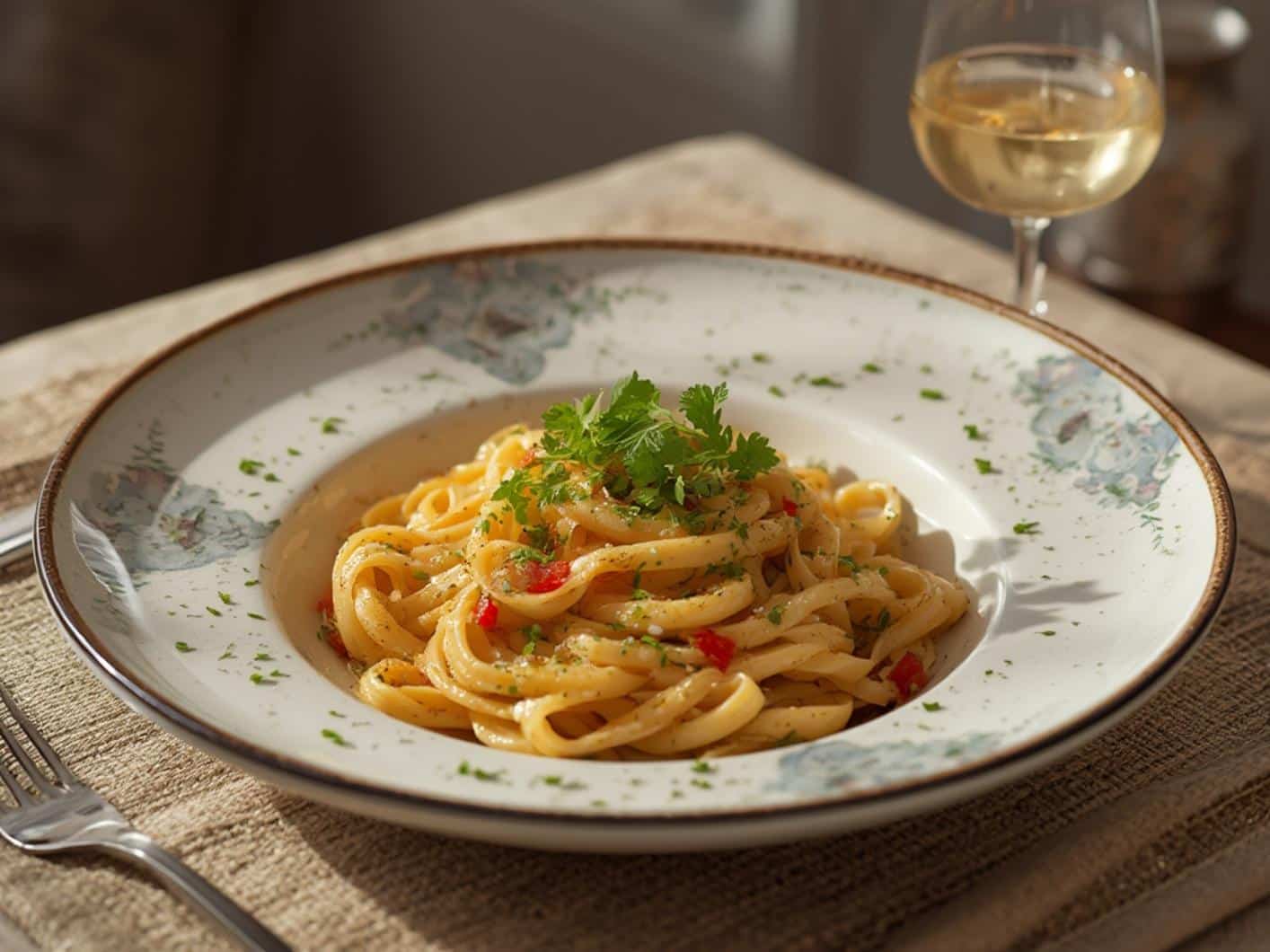
Serve this pasta in warmed shallow bowls to showcase the vibrant colors. Top each portion with additional Parmesan shavings, fresh herb leaves, and a drizzle of high-quality olive oil. For an elegant touch, add a twist of black pepper and a small lemon wedge on the side. This dish pairs beautifully with a crisp white wine like Pinot Grigio or Sauvignon Blanc, and a simple side salad completes the meal.
Nutritional Information & Benefits
Per serving (approximate values):
– Calories: 420
– Protein: 15g
– Carbohydrates: 60g
– Fat: 14g
– Fiber: 6g
This pasta dish offers a balanced meal with complex carbohydrates from the pasta, protein from the cheese, and numerous vitamins and antioxidants from the vegetables. Asparagus provides folate and vitamins A, C, and K, while peas add protein and fiber. The olive oil contributes heart-healthy fats, making this a nutritionally sound option for most dietary preferences.
Tips, Variations & Substitutions
– Pasta options: Use whole wheat pasta for added fiber or gluten-free pasta for dietary restrictions.
– Protein additions: Add grilled chicken, shrimp, or white beans for extra protein.
– Vegetable swaps: Use seasonal vegetables like zucchini, bell peppers, or sugar snap peas.
– Dairy-free option: Use nutritional yeast instead of Parmesan.
– Herb variations: Try different herb combinations like dill and chives for a different flavor profile.
– Creamy version: Add 1/4 cup of heavy cream or ricotta cheese for a richer sauce.
Common Mistakes to Avoid
1. Overcooking pasta and vegetables: Keep pasta al dente and vegetables tender-crisp for the best texture.
2. Under-seasoning: Pasta water should be “salty like the sea” to flavor the pasta itself.
3. Skipping pasta water: This starchy liquid helps create a silky sauce that clings to the pasta.
4. Using old herbs: Fresh herbs are key to bright flavor; wilted herbs won’t provide the same impact.
5. Not zesting the lemon: The zest contains essential oils that provide intense flavor beyond just the juice.
Storage & Reheating Tips
Store leftover pasta in an airtight container in the refrigerator for up to 3 days. The flavors often improve overnight as ingredients meld together. To reheat, add a splash of water or olive oil and warm gently in a skillet over medium-low heat. Alternatively, microwave at 50% power, stirring occasionally. This dish can also be enjoyed cold as a pasta salad for lunch the next day.
Conclusion
This vibrant spring pasta celebrates seasonal ingredients in a dish that’s as beautiful as it is delicious. The bright flavors of the lemon spring pasta make it perfect for warmer weather, while its adaptability ensures you can customize it to your preferences. Whether you’re cooking for a family dinner or hosting friends, this recipe offers a wonderful way to showcase spring’s bounty in a satisfying meal that comes together quickly. Try making it this week and experience how simple ingredients can create something truly special.
FAQs
Can I make this pasta ahead of time?
Yes, you can prepare the components ahead and assemble just before serving. Cook pasta al dente, rinse in cold water, and toss with a little olive oil. Blanch vegetables separately and refrigerate. Combine and reheat everything in a skillet when ready to serve.
What’s the best pasta shape for this recipe?
Short pasta shapes like penne, farfalle, or orecchiette work best as they catch the vegetables and light sauce in their nooks. However, any pasta you prefer will work.
How can I make this dish more substantial?
Add protein like grilled chicken, shrimp, or white beans. You could also incorporate nuts like toasted pine nuts or walnuts for texture and healthy fats.
Is there a way to make this vegan?
Absolutely! Skip the Parmesan or replace it with nutritional yeast or a vegan Parmesan alternative. The dish is still delicious with just the vegetables, herbs, and lemon.

Light and Fresh Spring Pasta Recipe
- Prep Time: 15 minutes
- Cook Time: 15 minutes
- Total Time: 30 minutes
- Yield: 4 servings 1x
- Category: Dinner
- Method: Boiling and Sautéing
- Cuisine: Italian-Inspired
- Diet: Vegetarian
Description
A bright and refreshing lemon spring pasta tossed with asparagus, peas, spinach, cherry tomatoes, and fresh herbs. This quick and colorful dish celebrates seasonal produce in a simple 30-minute meal.
Ingredients
- 12 oz pasta (penne, farfalle, or orecchiette)
- 1 bunch asparagus, trimmed and cut into 2-inch pieces
- 1 cup fresh or frozen peas
- 2 cups baby spinach
- 1 cup cherry tomatoes, halved
- 3 tablespoons extra virgin olive oil
- 3 cloves garlic, minced
- Zest and juice of 1 lemon
- 1/4 cup fresh herbs (basil, mint, parsley), chopped
- 1/2 cup grated Parmesan cheese
- Salt and freshly ground black pepper to taste
- Red pepper flakes (optional)
Instructions
- Bring a large pot of salted water to a boil and cook pasta until al dente according to package instructions.
- Two minutes before pasta is done, add asparagus to the boiling water.
- One minute before pasta is done, add peas.
- Reserve 1/2 cup of pasta cooking water, then drain pasta and vegetables.
- Heat olive oil in a large skillet over medium heat. Add garlic and sauté for 30 seconds until fragrant.
- Add cherry tomatoes and cook for 2 minutes until slightly softened.
- Add drained pasta, asparagus, peas, and spinach to the skillet. Toss until spinach wilts.
- Stir in lemon zest, lemon juice, and 1/4 cup reserved pasta water. Add more water if needed to create a light sauce.
- Mix in fresh herbs and Parmesan cheese. Season with salt, pepper, and red pepper flakes if desired.
- Serve immediately, garnished with extra herbs and Parmesan.
Notes
- Cook pasta al dente to maintain texture.
- Do not skip reserving pasta water—it helps create a silky sauce.
- For a vegan version, omit Parmesan or use nutritional yeast.
- Add grilled chicken, shrimp, or white beans for extra protein.
- Store leftovers in the refrigerator for up to 3 days and reheat gently with a splash of water or olive oil.
Nutrition
- Serving Size: 1 serving
- Calories: 420 kcal
- Sugar: 5 g
- Sodium: 320 mg
- Fat: 14 g
- Saturated Fat: 3 g
- Unsaturated Fat: 10 g
- Trans Fat: 0 g
- Carbohydrates: 60 g
- Fiber: 6 g
- Protein: 15 g
- Cholesterol: 10 mg